
Snakes outside my tunnel vision

Updated: May 13, 2024

Written by Nicole Lott
I weighed up the chance I would fall off the roof doing a small painting job, with the cost (and delay) of outsourcing it. There were places to hold on, the roof pitch wasn’t too great, and it wasn't too far to fall. It seemed within my risk appetite. Besides, my quote requests went unanswered; DIY it was.
My son held the ladder as I climbed onto the roof of the house.
"Can you stay there with my phone in case something happens?" I asked.
"Sure," he replied.
I carefully stepped along the line of screws and took up my position to do some painting. Pretty confident I was secure, I started brushing away.
"Are you holding on, mum?" my son checked.
"Yes, I’m good, thanks," I said.
"Because there could be a snake in the gutter," he suggested.
I paused and checked my surroundings, not having considered this possibility. We live in a heavily treed area, with branches touching the roof. My son and I had each seen a snake in the vicinity in the last week. It was an obvious hazard. That is if you stopped to properly assess the risk of falling off the roof.
But I was determined to paint that pesky spot. It troubled me daily, and I decided to fix it. Not much could have changed my mind. On a mission to achieve my goal, I was overly optimistic about my ability to do so, ignored some hazards, and downplayed the negative risks. Perhaps DIY roof painting would have been outside my risk appetite, with all hazards considered.
As I sat on the roof contemplating a meeting with a snake, I was reminded that it is difficult to recognise your own biases. Conversely, it is easy to convince yourself you are right about a course of action you are invested in, committed to, or excited about.
Too often, I have seen decision-makers give cursory consideration to threats and hazards, or worse, identify but actively suppress them. In the pursuit of performance metrics, high-profile projects, and tight deadlines, I have witnessed individuals and teams that are laser-focused on their goals to the detriment of sound risk management. The consequences have been catastrophic in some cases I’ve reviewed.
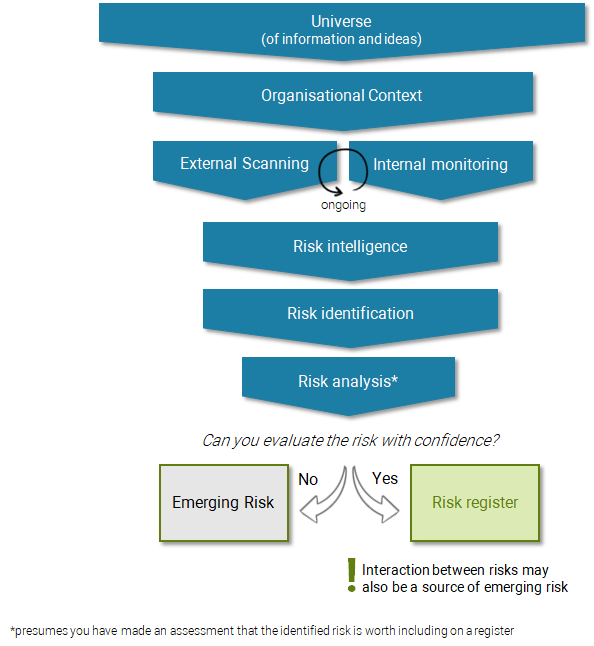
One way of reducing the chance of bias negatively affecting your decision-making processes is to include a structured process to identify and assess risk. Even better, involve people with different perspectives and without skin in the game. As you become more invested in a goal, include more rigour and challenge in your decision-making process. Appropriate effort in assessing risks can limit tunnel vision. And surprise snakes.
Image credit: Wix AI image creator

Comments